Guide
Train vs Car in Northern Italy
Train or car in Northern Italy: compare stations, Lake Garda connections, Dolomites valleys and costs for the days you actually need a vehicle.
Save it for later on this device or print a clean planning copy.
Quick facts
- Best time
- Year-round
- Recommended duration
- 7-14 days, or any multi-stop route
- Budget range
- Low: 70-140 EUR/day · Mid: 150-300 EUR/day · Comfort: 350+ EUR/day
- With kids
- Yes
Orientation
Why the transport split matters
Northern Italy is not best understood as either a train trip or a roadtrip. The calmest itineraries usually use both: trains for cities and a car for the scenic middle.
Trains are excellent for Milan, Verona, Bologna, Venice, Turin and many compact city pairs. A car is useful when the route depends on lake towns, luggage, mountain weather, viewpoints, trailheads or rural food stops.
The mistake is choosing one transport mode too early and forcing the whole route around it.

My default Northern Italy plan is simple: arrive by train or plane, spend the first city night without a car, rent before Lake Garda or South Tyrol, keep the car for the Dolomites, then return it before Venice, Bologna or Milan. That gives you freedom where it helps and removes the car where it becomes expensive friction.
Alex Travels · TravelHighlights.io
Keep planning
Choose the next useful step
Jump straight to the next relevant part of your trip.
Guide map
- Milan
- Bergamo
- Verona
- Bologna
- Venice
- Sirmione, Lake Garda
- Bolzano
- Ortisei, Val Gardena
- Cortina d'Ampezzo
Highlights
Top highlights
City corridor by train
Milan, Bergamo, Verona, Bologna, Venice and Turin are usually calmer by rail than by car, especially with central stays.
Lake Garda by car
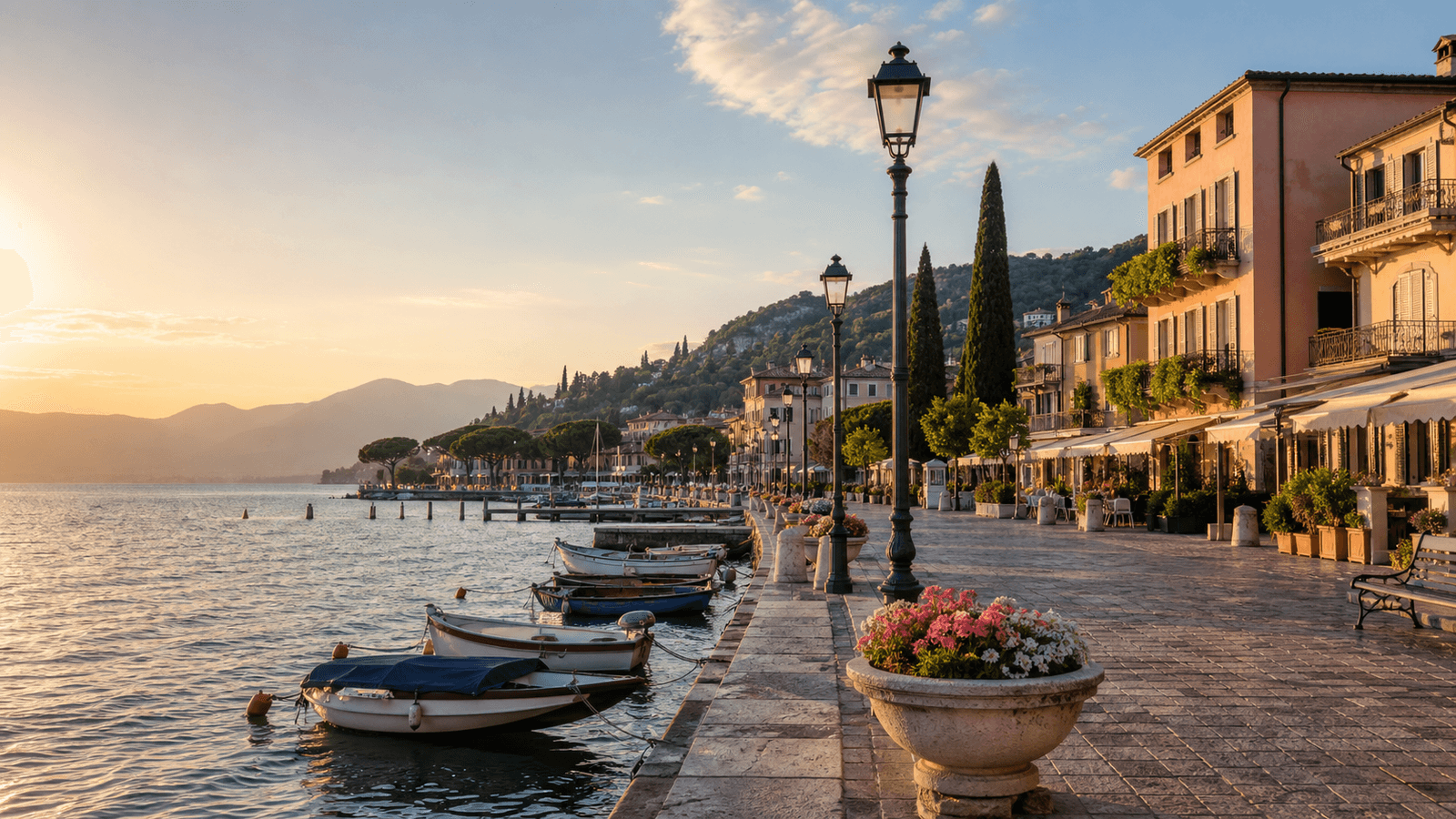
A car starts to help when you have luggage, smaller lake towns, eastern-shore stops or a route continuing toward the mountains.
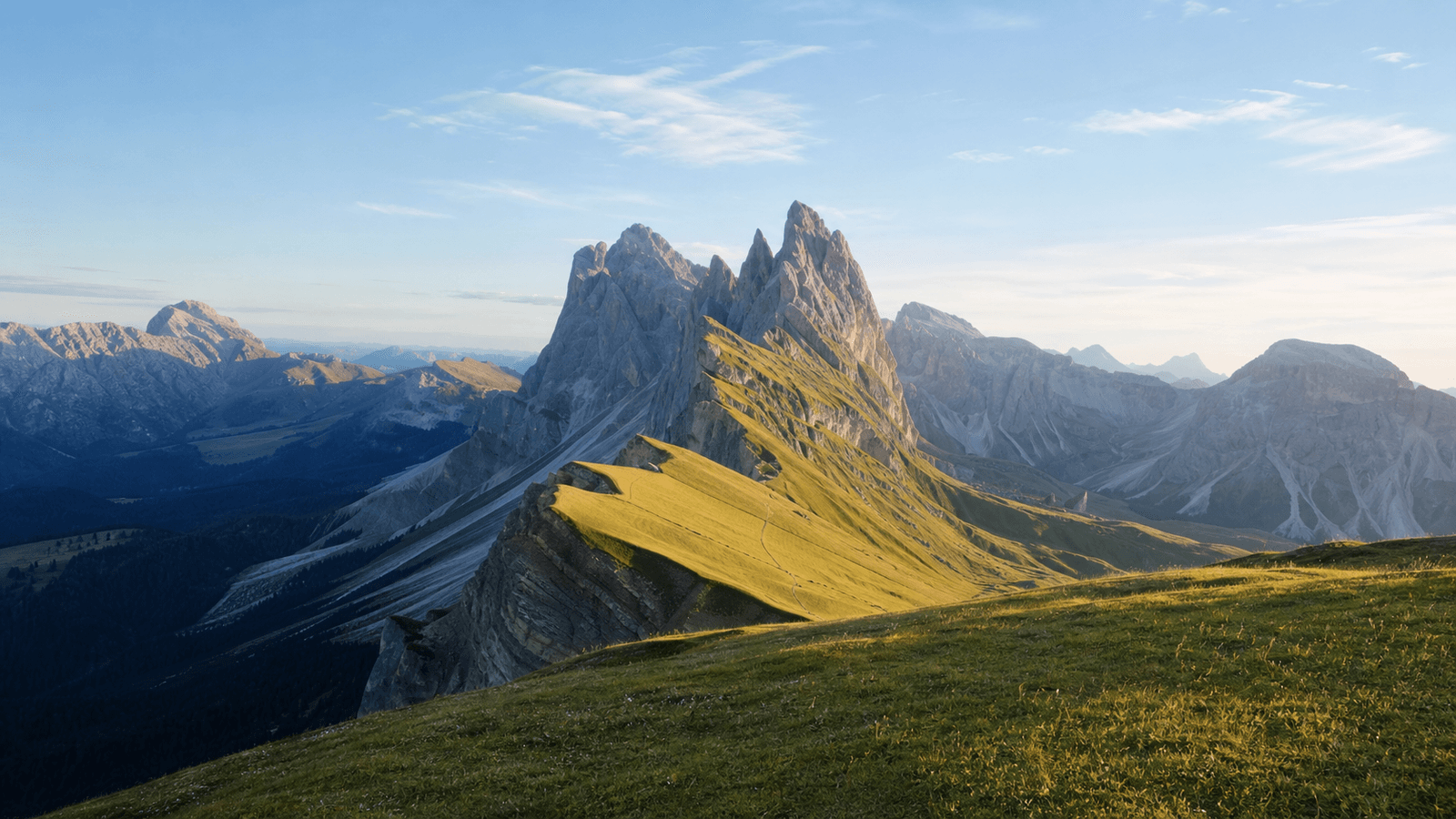
Dolomites flexibility
Mountain weather, lift access, trailheads and pass roads make a car useful, especially outside one tightly planned base.
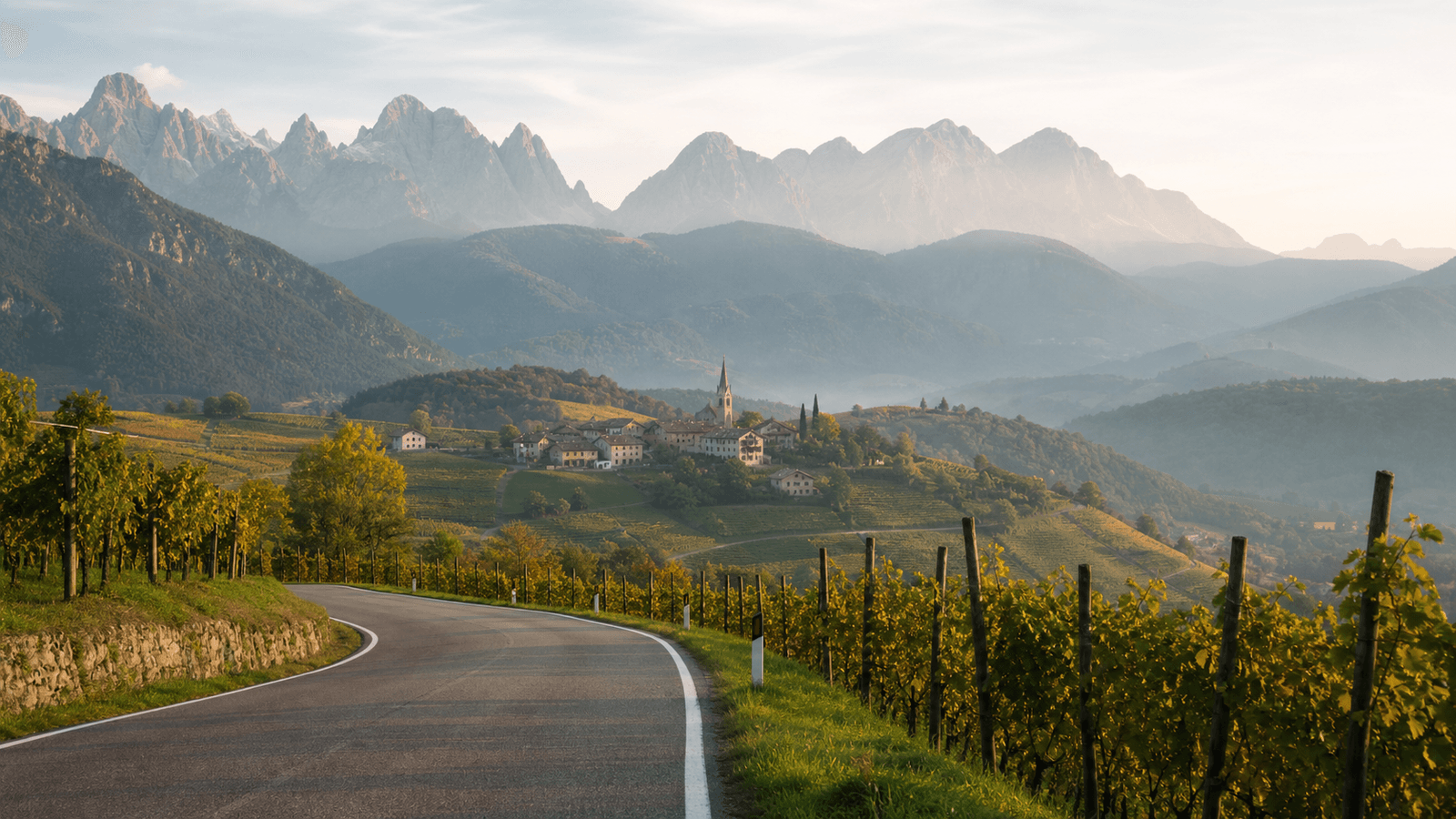
Hybrid route
The best first plan is often train first, car for the scenic middle, then no car for the final city.
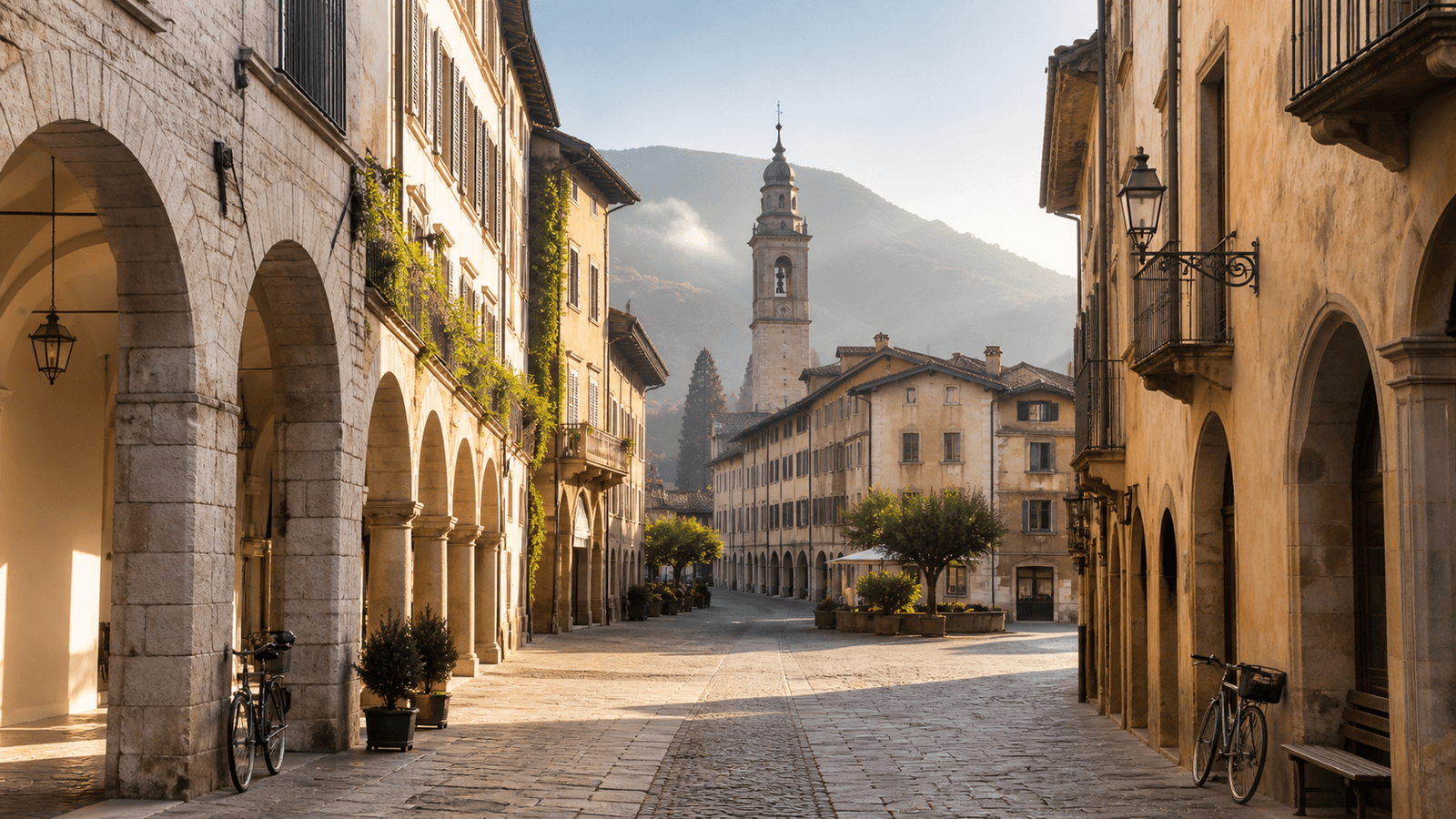
ZTL and parking rule
Do not keep a car for central Milan, Venice, Bologna or old-town stays unless parking is clear and necessary.
Itinerary
Suggested itinerary
Train-only city route
Best for travelers focusing on cities, food and museums rather than lakes or mountains.
- 1Milan or Bergamo arrival, then train to Verona or Bologna.
- 2Train between Verona, Bologna, Venice, Turin or Milan depending on the route.
- 3Avoid renting a car unless you add a lake, mountain or rural food section.
Hybrid lake and mountain route
The strongest first Northern Italy transport plan.
- 1Start by train: Milan, Bergamo, Verona or Bologna.
- 2Rent before Lake Garda, South Tyrol or the Dolomites.
- 3Keep the car for mountain weather, viewpoints and smaller towns.
- 4Return it before Venice, Bologna, Milan or another final city.
Car-heavy roadtrip
Worth it only when scenic flexibility is the main point of the trip.
- 1Use the car for Lake Garda, South Tyrol, the Dolomites and rural food regions.
- 2Book accommodation with clear parking.
- 3Avoid central city nights with the car unless parking is solved before arrival.
Interactive packing list
Packing list for Italy
Powered by Plantrip
Check off the essentials as you prepare. This interactive list is provided by PlanTrip.
Bases
Best base areas
Best for
Milan, Verona, Bologna, Venice and Turin
Train-friendly city travel
Pros
- Fast city-to-city connections
- No parking or ZTL stress
- Often cheaper and calmer than driving
Watch-outs
- Less flexible for smaller towns
- Luggage and platform transfers still need planning
Best for
Lake Garda and lake towns
Mixed lake stops with luggage and scenic routing
Pros
- Easier to combine several towns
- Useful if continuing toward South Tyrol or the Dolomites
- More flexible for families and weather changes
Watch-outs
- Lake-edge traffic can be slow
- Parking can be tight in peak season
Best for
South Tyrol and the Dolomites
Mountain bases, passes and viewpoint flexibility
Pros
- Helpful for weather windows, trailheads and luggage
- Better for split mountain bases
- Useful outside the simplest lift-and-village plans
Watch-outs
- Mountain driving can be tiring
- Road and weather conditions matter
Best for
Piedmont and rural food regions
Wine villages, countryside meals and smaller towns
Pros
- More flexible for Langhe, wineries and rural stops
- Lets food days feel less tied to rail schedules
- Useful if staying outside city centers
Watch-outs
- Wine tasting and driving require care
- Public transport may be calmer if you only visit Turin or central cities
Best for
Final city without a car
Ending calmly in Venice, Bologna, Milan or Verona
Pros
- Avoids parking fees and restricted zones
- Easier hotel check-in
- Lets the final days feel lighter
Watch-outs
- Requires choosing the return point carefully
- One-way rental fees may apply
Planning notes
Avoid These Common Mistakes
Renting at the airport for the whole trip
It feels simple at booking time, but it often means paying for a car during city days when it creates parking and access problems.
Keeping the car for Venice or Bologna
These cities are better without a car. Return it before arrival or choose accommodation with a very clear parking solution outside the center.
Assuming map distance equals travel ease
Lake roads, passes, parking and ZTL zones can make a short distance feel slow. Transport decisions should follow friction, not just kilometers.
Switching transport too often
Hybrid is useful, but too many pick-ups, drop-offs and transfers become their own burden. Keep the split clean.
Forgetting rental details
Check insurance, one-way fees, winter equipment rules, tolls, fuel policy and whether the hotel can actually handle your car.
Worth it / Skip if
Worth it
Getting the train-car split right can save money, parking stress and hours of unnecessary logistics.
Skip if
Skip the car decision if you are staying in one city or doing a city-only route that works cleanly by train.
With kids
Use direct trains for city legs, then rent a car only for the section where luggage, lakes or mountain flexibility really help.
Budget range
Low
70-140 EUR/day
Mid
150-300 EUR/day
Comfort
350+ EUR/day
Guide details
The best answer is usually a split plan
Northern Italy is not a pure train destination and not a pure roadtrip destination. It is both, depending on the part of the route. The mistake is forcing one transport style onto the whole trip.
Use trains where the network is strong and the car creates friction. Use a car where the day depends on scenery, luggage, small towns, weather or mountain access. That simple split makes the trip calmer and often cheaper.
City corridor: use trains for Milan, Verona, Bologna and Venice
Milan, Verona, Bologna, Venice and Turin are usually better by train. The stations are central enough, connections are frequent, and you avoid parking fees, ZTL zones and old-town hotel access issues.
This is especially true for food-focused or museum-heavy routes. If your days are built around city walks, restaurants and compact neighborhoods, a car is mostly an expensive object to store.
Lake Garda and the Dolomites: where a car starts to help
Lake Garda with luggage and onward travel
A car becomes useful around Lake Garda when you have luggage, want to combine several towns or plan to continue toward South Tyrol and the Dolomites. It is not always required for a simple lake stay, but it makes a route more flexible.
Dolomites with flexible day plans
In the Dolomites, a car is often the calmer option if you want weather flexibility, pass roads, trailheads or multiple bases. You can plan some Dolomites stays without a car, especially in lift-connected villages, but the route becomes more constrained.
Hybrid route: the cleanest plan
The cleanest first plan is: arrive by plane or train, spend one or two city nights without a car, rent before the lake or mountain section, then return the car before the final city.
For example: Milan or Bergamo by train -> Verona -> rent for Lake Garda and Dolomites -> return before Venice, Bologna or Milan. This keeps freedom in the scenic part and removes the car where it is least useful.
When a train-only trip makes sense
Choose train-only if the trip is mostly Milan, Verona, Bologna, Venice, Turin or other well-connected city stops. It also works well for food routes in Emilia-Romagna, where Bologna, Modena and Parma are easy to combine by rail.
Train-only is less ideal if your route depends on smaller lake towns, countryside stays or mountain viewpoints that require timing around weather.
When a car-heavy roadtrip makes sense
A car-heavy route makes sense if the trip is truly about Lake Garda, South Tyrol, the Dolomites, rural food regions or small-town combinations. In that case, the car is part of the experience.
Even then, try not to keep it in major cities. Book accommodation with parking, check ZTL rules and return the car before Venice or a dense city ending.
Costs, friction and ZTL zones
The cost of a car is not just the rental price. Add parking, tolls, fuel, insurance, one-way fees and the possibility of restricted traffic zones. In historic centers, a wrong turn can become expensive.
The cost of trains is not only the ticket price either. Add station transfers, luggage handling and how much flexibility you lose if plans change. For most routes, the best choice is not the cheapest mode. It is the one with the least friction for that section.
Family travel logic
With kids, direct trains are excellent for city-to-city transfers. They remove driving stress and give everyone a break. A car becomes helpful when you have luggage, shorter stops, mountain weather and the need to change plans quickly.
The best family plan is often train first, car for the scenic middle, then train or no car again at the end.
Final rule
Do not ask whether Northern Italy is better by train or car. Ask which parts of your route are cities and which parts are landscapes. Cities want trains. Lakes, mountains and rural food regions often want a car. The best trip usually respects both.
Stations and the actual last mile
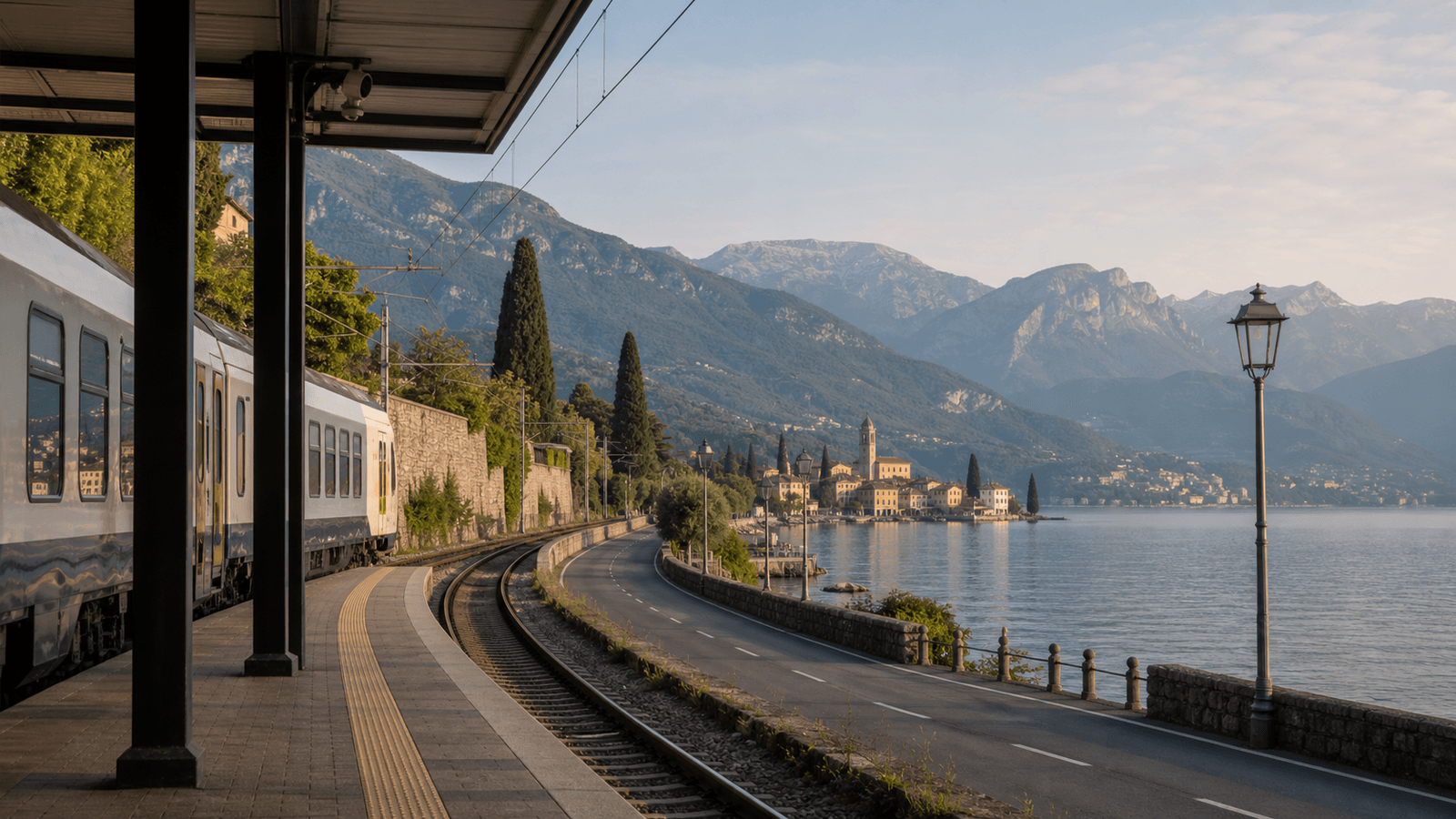
For Venice's historic centre, search Venezia Santa Lucia; Venezia Mestre is on the mainland. Milano Centrale and Verona Porta Nuova are useful search terms for the main city corridor, but check the station on the selected train rather than assuming every service uses the same stop. At Lake Garda, Desenzano and Peschiera have railway stations; Sirmione still needs a transfer.
A city-to-mountain rail plan can reach Bolzano or Bressanone before a valley bus, then use local lifts. Confirm the final bus and the walk with luggage before booking the hotel. This can work well for one Val Gardena base. A car offers more choices between valleys, but does not bypass Tre Cime parking reservations, Braies access restrictions or Alpe di Siusi road controls.
Read the purchased ticket's rules. Trenitalia's Digital Regional Ticket validates automatically at scheduled departure, while paper regional tickets generally require validation first; operator guidance distinguishes products. Trenord has its own medium-specific instructions.
For a fair comparison, price the same travel party and dates: rail fares plus station transfers against rental days, fuel, tolls, parking and any one-way fee. The daily budget bands on this page describe the whole trip, not a stand-alone transport tariff. See the budget example before multiplying them by rental days.
Daily allowances are per adult for two sharing a room and vehicle costs, including accommodation, food, local transport and selected admissions, excluding arrival travel. They are editorial planning estimates, not current quotes.
Sources & Last updated
Last updated: 2026-09-07
Sources
- TravelHighlights editorial: Editorial planning guide. Verify rail schedules, ZTL zones, parking rules, tolls, road conditions and rental terms before travel.
For your trip planning
Travel Services
Useful services for your trip. Choose what fits your plans.
Affiliate offers: We may earn a commission if you book. External search forms load only when opened, sharing data with Travelpayouts and the provider.
Nearby / next stop
ROUTE
Last updated 2026-09-07
Northern Italy Roadtrip Itinerary
A practical 7-14 day route for linking Verona, Lake Garda, South Tyrol and the Dolomites without turning Northern Italy into a rushed checklist.
Read guide →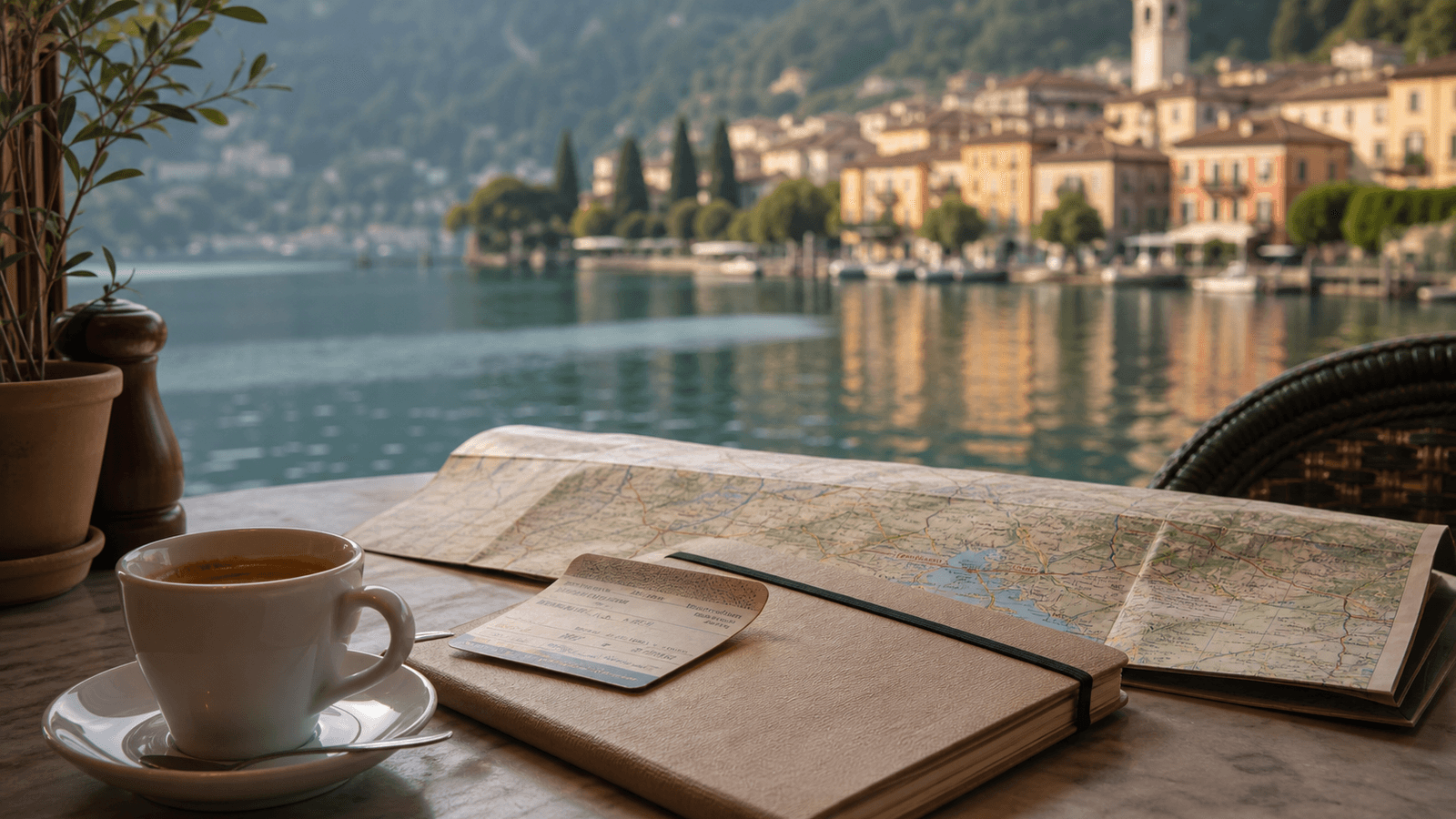
BUDGET
Last updated 2026-09-07
Northern Italy Budget Guide
Realistic budget context for Northern Italy, from trains and lake towns to Dolomites lodging and food-focused travel.
Read guide →