Guide
Kyoto Highlights
A calmer Kyoto guide for temples, old streets and area-based days that avoid the classic overplanning trap.
Save it for later on this device or print a clean planning copy.
Quick facts
- Best time
- March-May, October-November, Winter for quieter temple days
- Recommended duration
- 3-4 nights
- Budget range
- Low: 90-160 EUR/day · Mid: 180-330 EUR/day · Comfort: 420+ EUR/day
- With kids
- Yes
Orientation
Why Kyoto needs fewer better areas
Kyoto is where many Japan routes get too ambitious. Famous temples are spread out, buses can be slow, and peak seasons change the mood.
The best Kyoto plan gives each day a side of the city: Higashiyama, Arashiyama, Fushimi Inari or northern temples.
That lets the city feel contemplative instead of becoming a race between photo spots.

I would rather do one Kyoto area before breakfast than five famous temples at the wrong time of day.
Alex Travels · TravelHighlights.io
Keep planning
Choose the next useful step
Jump straight to the next relevant part of your trip.
Guide map
- Higashiyama / Kiyomizu
- Arashiyama
- Fushimi Inari
- Northern Kyoto temples
Highlights
Top highlights
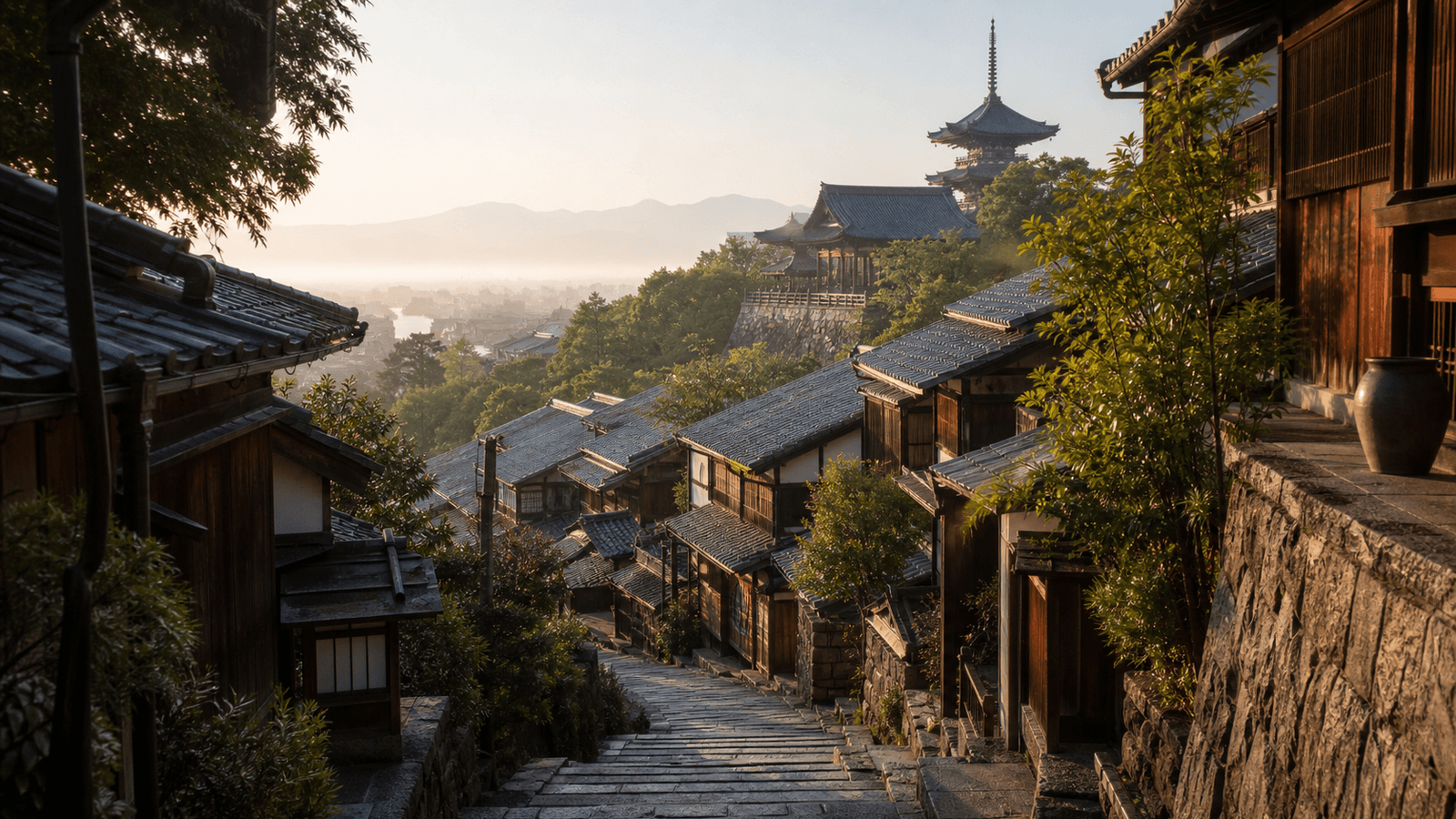
Higashiyama and Kiyomizu Early
The strongest classic Kyoto block when you start before lanes and viewpoints fill.
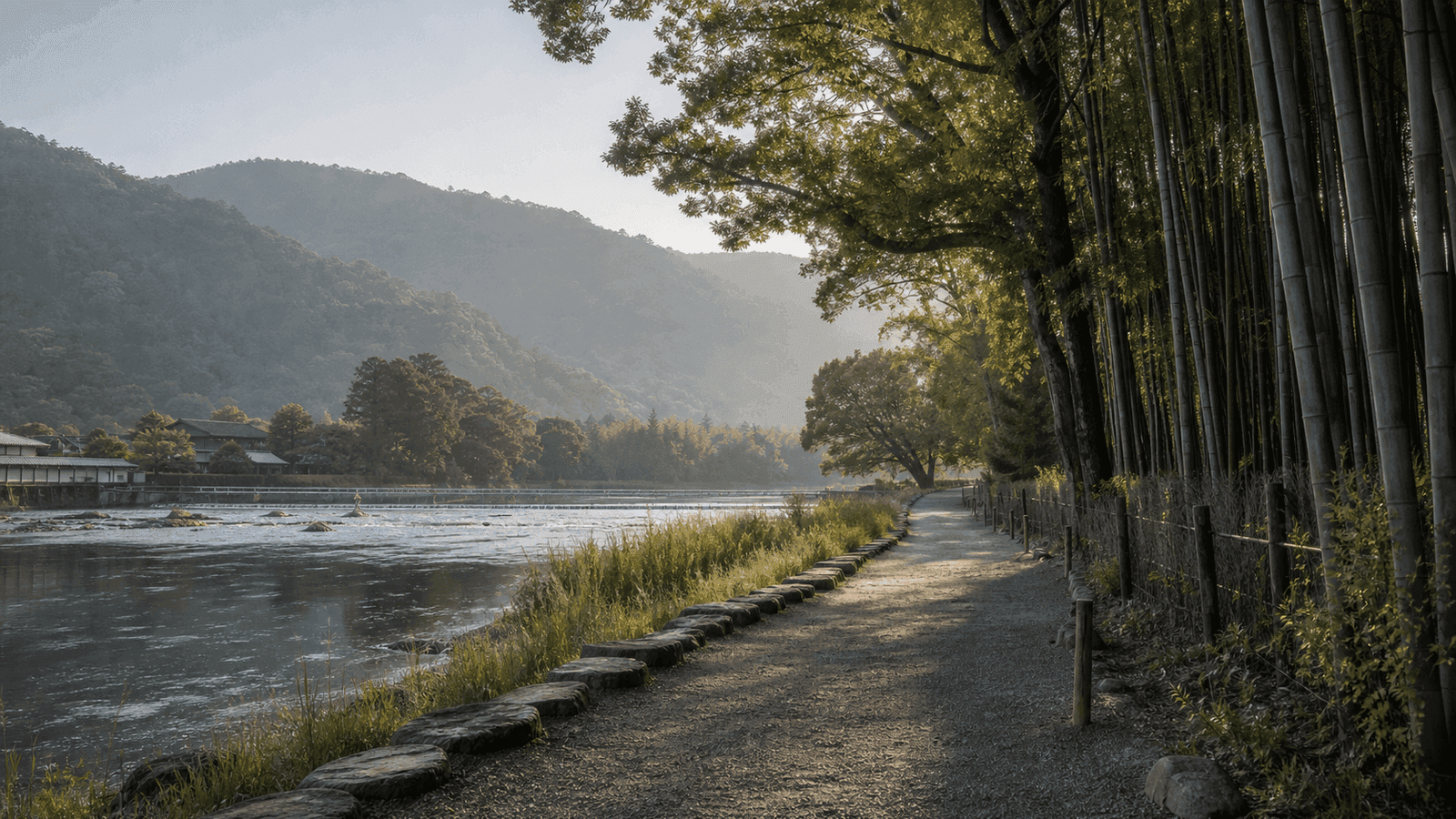
Arashiyama Early
Bamboo, river and temple edges work best as a protected morning rather than a late crowded add-on.
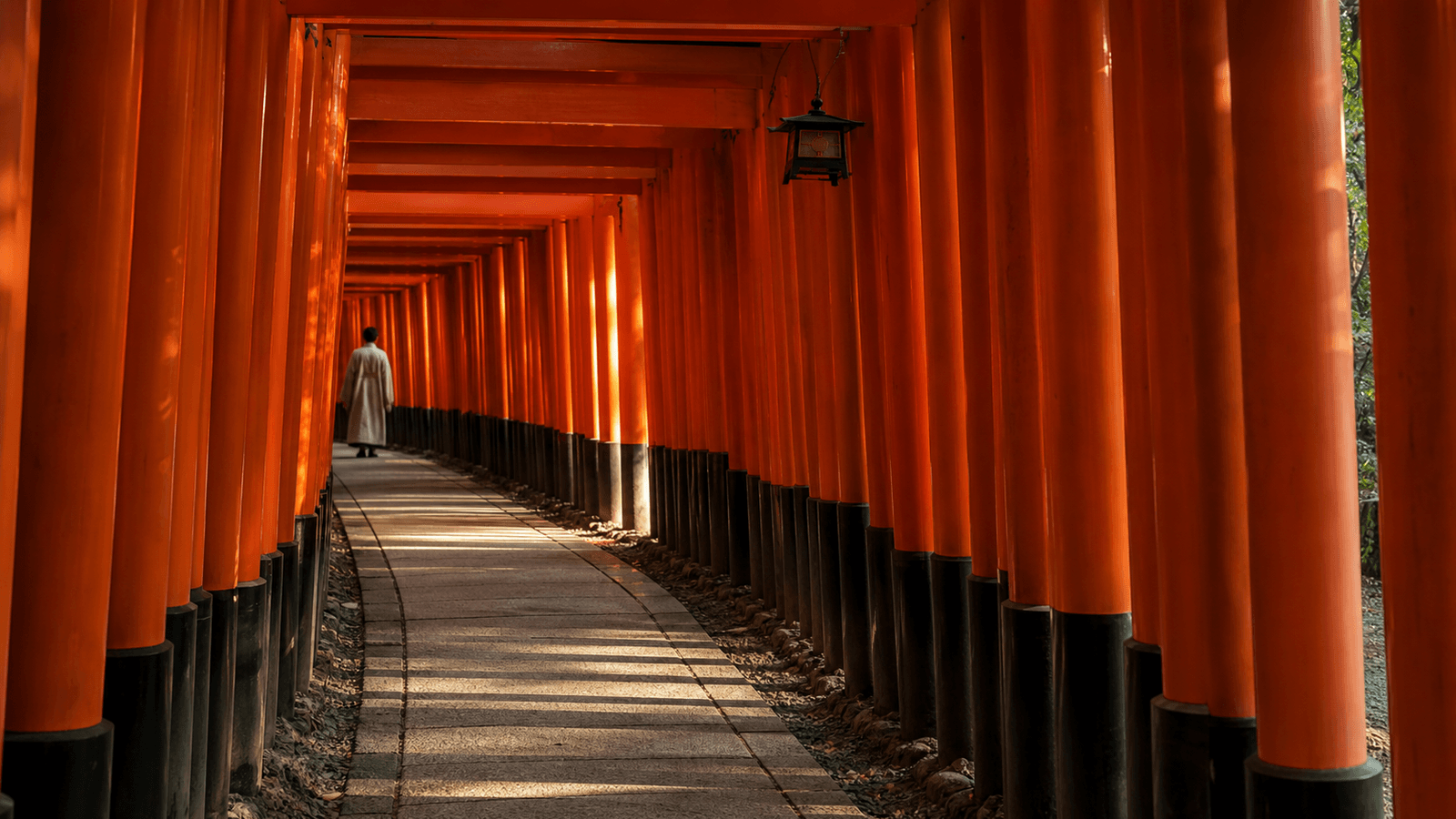
Fushimi Inari and the Mountain Walk
A famous sight that becomes much better when treated as an early walk, not a midday photo stop.
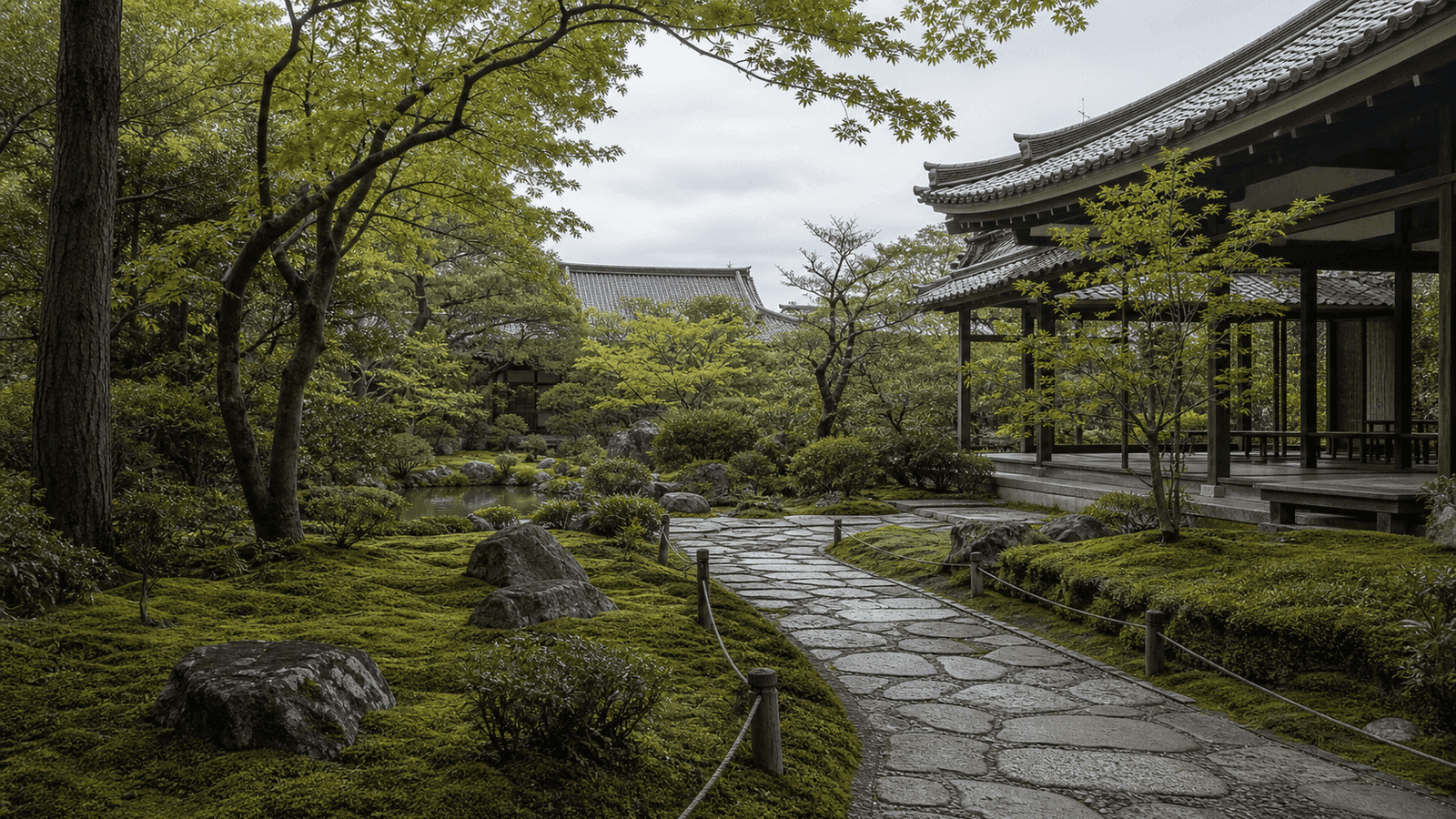
Northern Temples and Garden Day
A slower Kyoto layer for travelers who want more depth than the obvious first route.
Mini itinerary
- 1Day 1: Arrive and take a short Gion or Higashiyama walk
- 2Day 2: Higashiyama and Kiyomizu early
- 3Day 3: Arashiyama or northern temples
- 4Day 4: Fushimi Inari early, then Osaka or Nara connection
Interactive packing list
Packing list for Japan
Powered by Plantrip
Check off the essentials as you prepare. This interactive list is provided by PlanTrip.
Bases
Best base areas
Best for
Downtown / Kawaramachi / Sanjo
Restaurants, transit and evening walks
Pros
- Good food access
- Useful buses and trains
- Walkable evenings
Watch-outs
- Busy in peak season
- Hotels can be pricey
- Not every temple is close
Best for
Kyoto Station area
Transfers and day trips
Pros
- Best rail logistics
- Good for Nara / Osaka
- Often practical with luggage
Watch-outs
- Less atmospheric
- More businesslike
- Some temple days need transfers
Planning notes
Avoid These Common Mistakes
Putting every temple on the list
Kyoto gets weaker when every famous name competes for the same day.
Starting too late in peak season
The most famous areas reward early starts.
Changing base unnecessarily
Kyoto, Osaka and Nara are close enough that extra hotel moves often add friction.
Travel planning answers
Kyoto FAQ
How many days do you need in Kyoto?+
Three nights are a good minimum. Four nights are better if you want Arashiyama, Fushimi Inari and one quieter day.
Should you stay in Kyoto or Osaka?+
Stay in Kyoto if temples and early starts matter most. Osaka is better for food evenings and some cheaper hotels.
Is Kyoto crowded?+
Yes in famous areas and peak seasons. Early starts and area-based days make it much calmer.
Is Kyoto good with kids?+
Yes if you keep temple days short, include snacks and avoid long bus chains.
Worth it / Skip if
Worth it
Kyoto is the cultural anchor of most first Japan routes when you give it time and avoid treating temples as a checklist.
Skip if
Do not skip Kyoto on a first classic route unless the whole trip is intentionally Tokyo-only or nature-focused.
With kids
Use early starts, short temple clusters, snack breaks and one calm garden or river block per day.
Budget range
Low
90-160 EUR/day
Mid
180-330 EUR/day
Comfort
420+ EUR/day
Guide details
With three to four nights, organize Kyoto around separate parts of the city. Give each full day a focus: eastern Higashiyama, western Arashiyama or the northwestern temples. Fushimi Inari lies farther south and works as a separate shorter visit.
Still choosing one Kansai base? Use the Kyoto vs Osaka comparison before assigning your nights.
Higashiyama and Kiyomizu Early
Start at Kiyomizu-dera, then walk through Sannenzaka and Ninenzaka toward Gion. The approach is uphill; with a stroller or limited mobility, consult the temple's grounds and wheelchair maps.
An early start may reduce waiting, but does not promise empty lanes. Check opening hours and special visits for your date. In Gion, follow local access and photography signs. City guidance asks visitors not to stop, follow or photograph geiko and maiko without permission. Private lanes are not shortcuts.
Arashiyama Early
Combine the bamboo path with Tenryu-ji and a riverside walk. Before buying a ticket, decide whether you want the garden alone or the buildings too: Tenryu-ji lists separate admission options, and buildings may close for ceremonies.
JR Saga-Arashiyama and the Hankyu and Randen Arashiyama stations are separate arrivals. Choose a line by your hotel and first stop; sharing a destination name does not make them one station.
Fushimi Inari and the Mountain Walk
The lower torii paths and the mountain circuit are different visits. The shrine map shows paths linking several peaks and places of worship. The longer walk needs stamina for slopes and stairs, water and enough daylight.
With young children or limited time, turn back after the lower section. Seeing the gateways does not commit you to completing the circuit. Leave paths clear for worshippers and other visitors.
Northern Temples and Garden Day
Choose specific places rather than a vague northern Kyoto day: Kinkaku-ji, for example, with Ryoan-ji if gardens are a priority. The Kinkaku-ji grounds guide explains the visit around the pavilion and pond. These famous temples can also be busy.
Treat the northwest as an alternative to Arashiyama or an additional day. Combining both with Fushimi Inari mostly creates repeated cross-city journeys.
Planning Logic
Look for a useful train connection first, then plan the final approach to the temple. Kawaramachi or Sanjo suits restaurants and evening walks; Kyoto Station simplifies intercity trains and day trips. The right hotel location depends on the mornings you actually plan to spend here.
The budget bands are rough per-person daily estimates with shared accommodation, excluding international flights. Compare hotels for the same dates; separate temple admissions and fares add up even without a major expensive attraction.
What I Would Prioritize
With two full days, I would choose Higashiyama and either Arashiyama or the northwest. Add Fushimi Inari if another morning is available. With less time, remove an area before shortening every visit.
Where to Go Next
Nara works as a day trip. Osaka does not require changing hotels if you are happy returning in the evening. Himeji and Hiroshima extend the route west and need additional travel days.
Sources & Last updated
Last updated: 2026-06-16
Sources
- Kyoto City Official Travel Guide: Official Kyoto visitor planning and area guidance(checked: 2026-06-16)
- Japan National Tourism Organization: Official Japan travel planning, regional and seasonal context(checked: 2026-06-16)
For your trip planning
Travel Services
Useful services for your trip. Choose what fits your plans.
Affiliate offers: We may earn a commission if you book. External search forms load only when opened, sharing data with Travelpayouts and the provider.
Nearby / next stop
CITY · HIGHLIGHTS
Essential
Last updated 2026-06-16
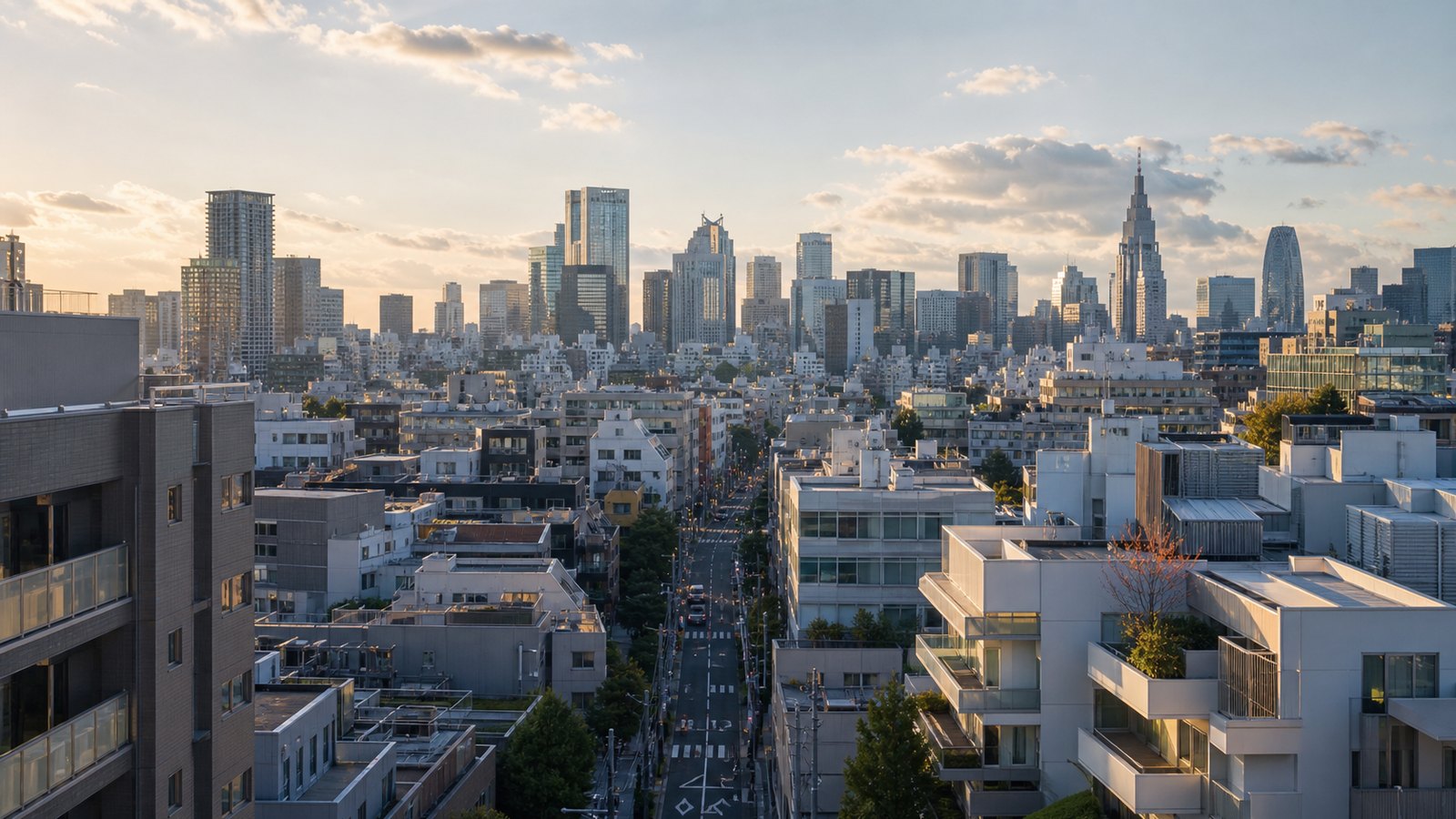
Tokyo Highlights
A practical Tokyo guide for a first Japan route, planned by neighborhoods instead of one exhausting city-wide list.
Read guide →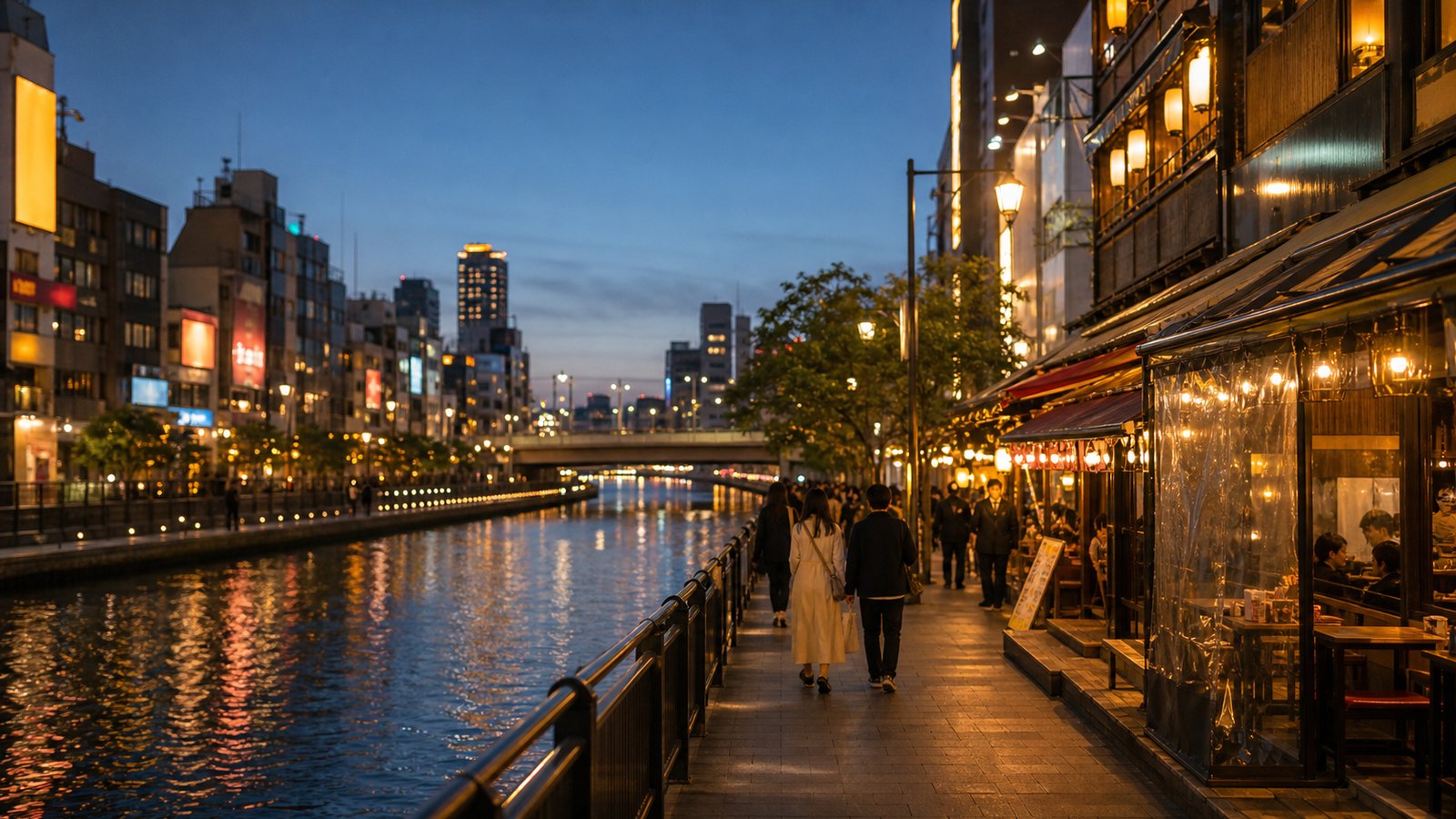
CITY · FOOD
Last updated 2026-09-07
Osaka Highlights
Dotonbori, Shinsekai, the castle park or Umeda? Plan your first Osaka visit by neighborhood and decide whether to visit from Kyoto or stay overnight.
Read guide →