Guide
Best Time to Visit Northern Italy in 2026: Months Compared
June or September? Compare the best time to visit Northern Italy for lakes, cities, the Dolomites, weather and crowds.
Save it for later on this device or print a clean planning copy.
Quick facts
- Best time
- May-June, September-October
- Recommended duration
- 7-14 days
- Budget range
- Low: 80-140 EUR/day · Mid: 160-290 EUR/day · Comfort: 350+ EUR/day
- With kids
- Yes

For cities and lakes I would choose June or September. A mountain-led trip needs the actual lift, hut and trail calendar first; quieter prices or weather cannot be guaranteed by month.
Alex Travels · TravelHighlights.io
Keep planning
Choose the next useful step
Jump straight to the next relevant part of your trip.
Guide map
- Milan
- Lake Garda
- Dolomites
- Piedmont
Highlights
Top highlights
Late spring balance
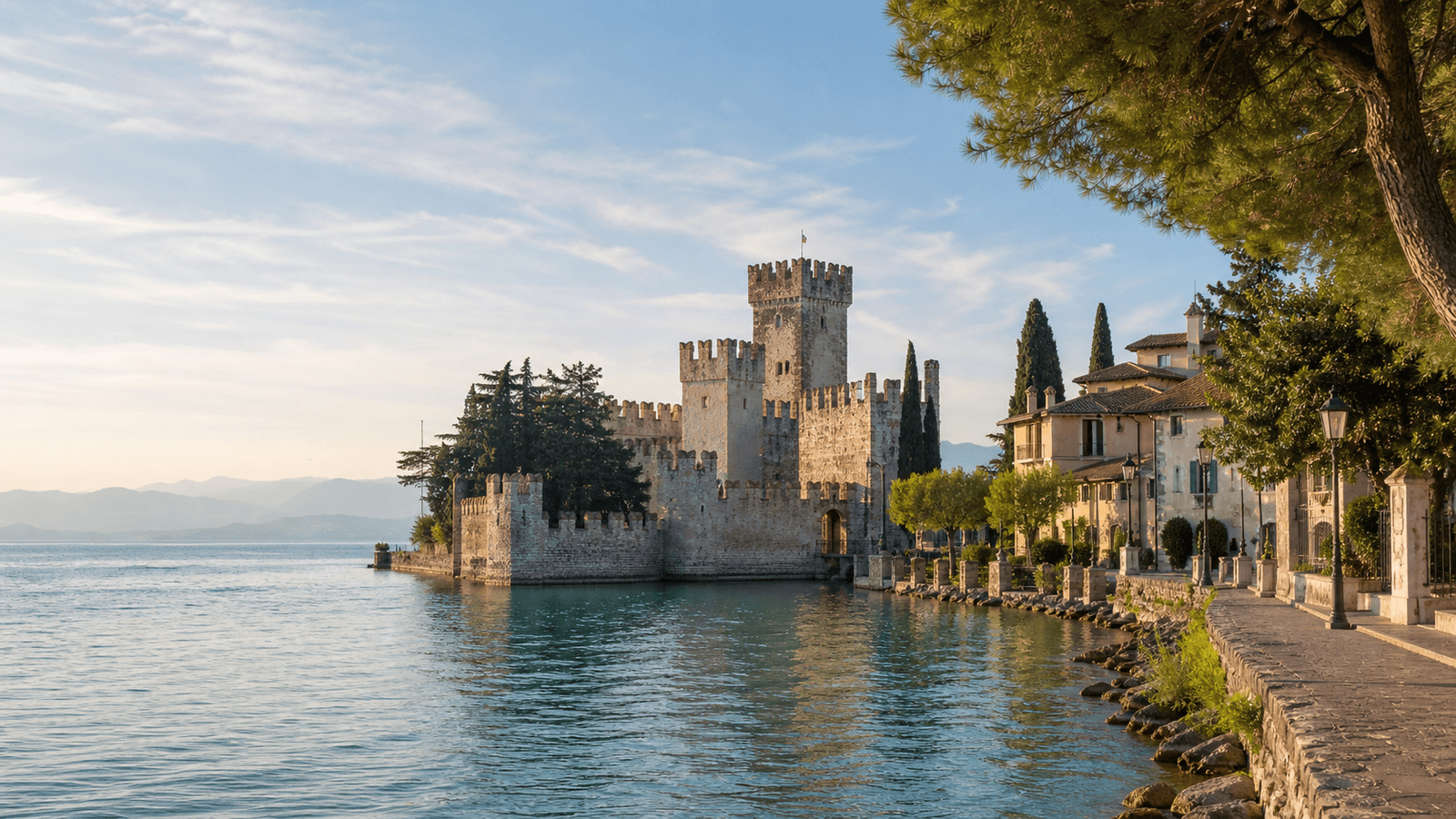
May and June work well for lake towns, gardens, Verona, Milan, Venice, and flexible routes before peak summer.
High summer mountains
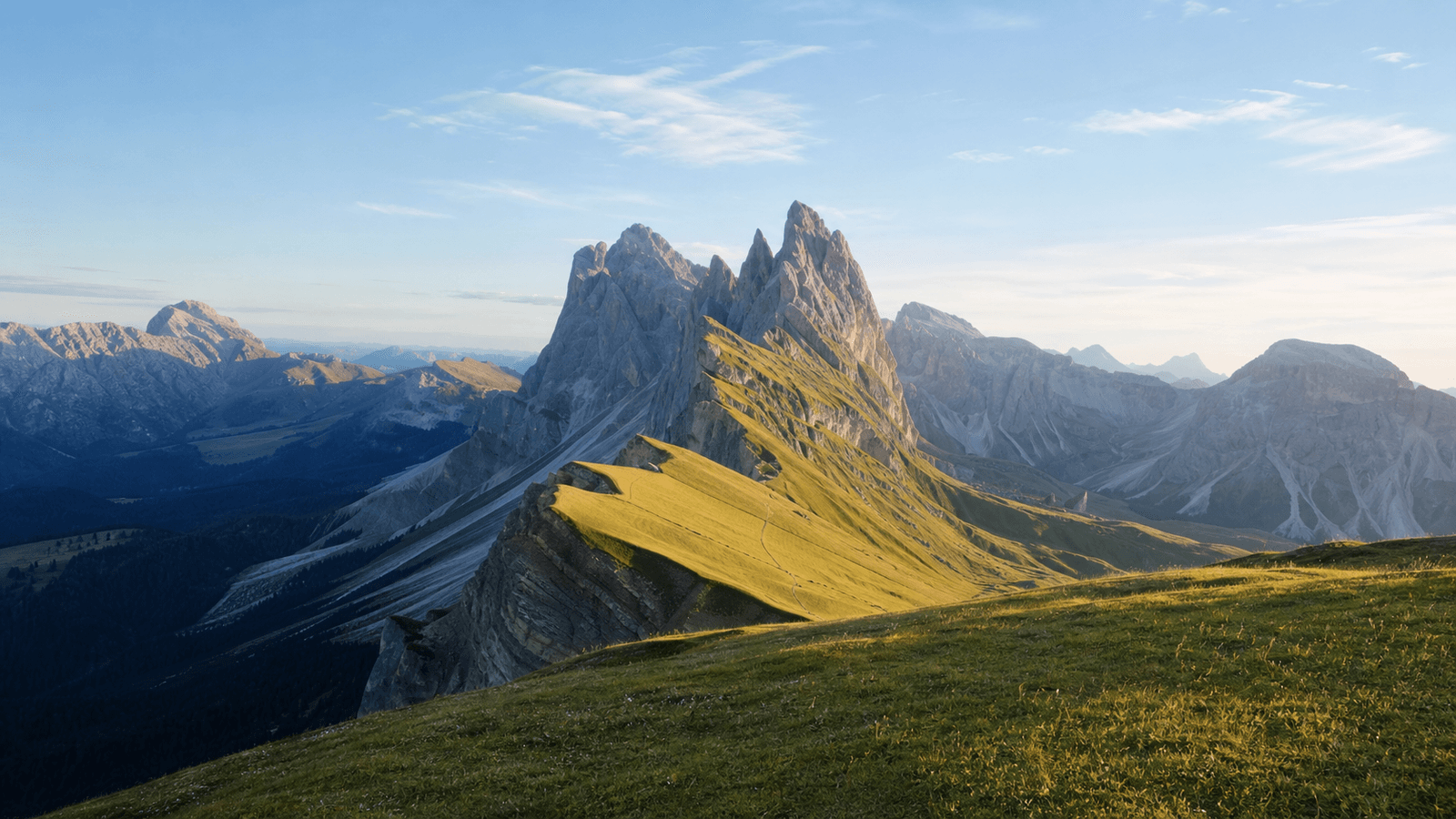
July and August are strongest when the Dolomites are the priority, but cities and lakes need more crowd planning.
Autumn food and road trips
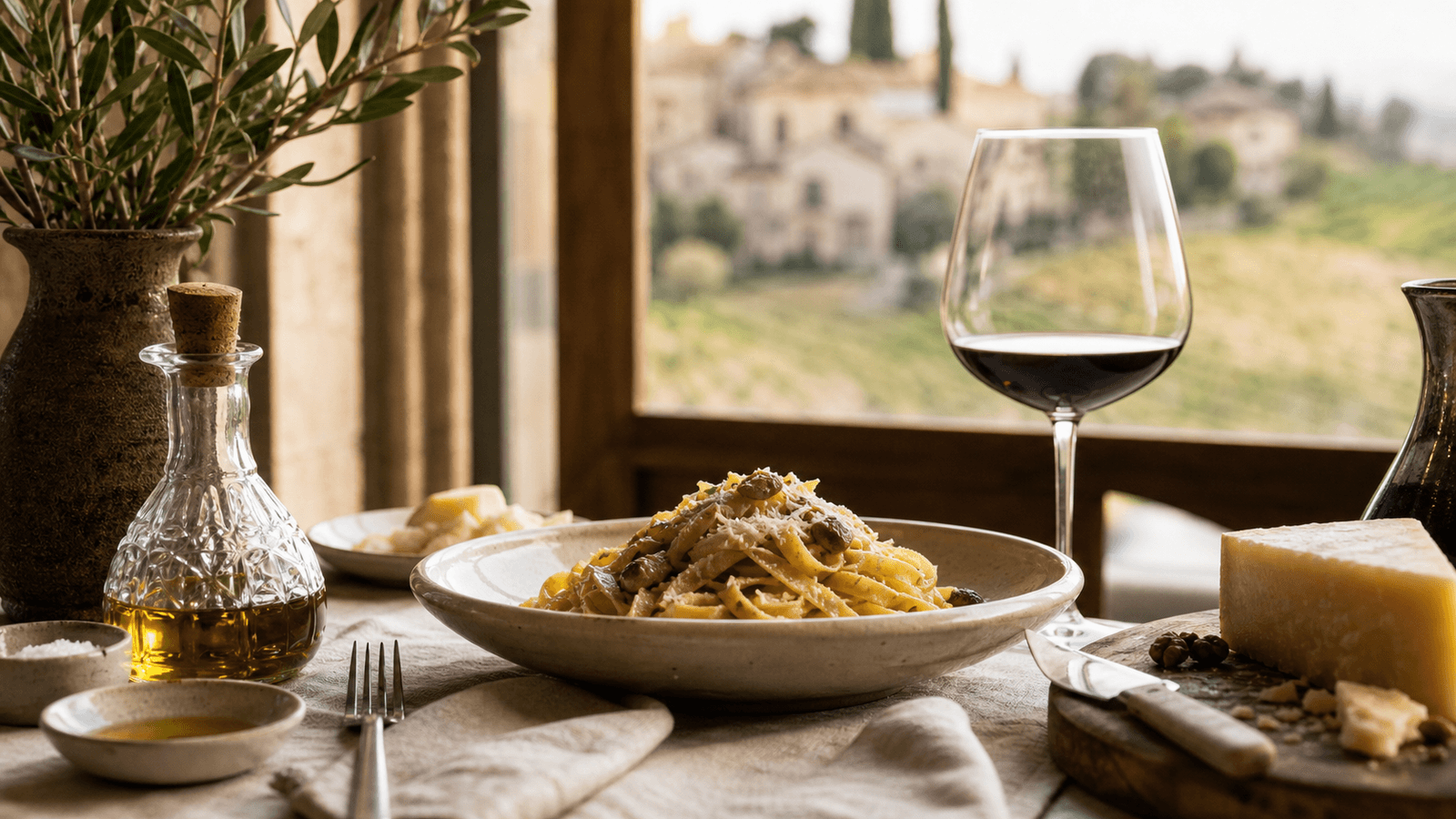
September and early October are excellent for calmer lakes, clearer air, harvest season, and food-focused routes.
Winter city and ski trips
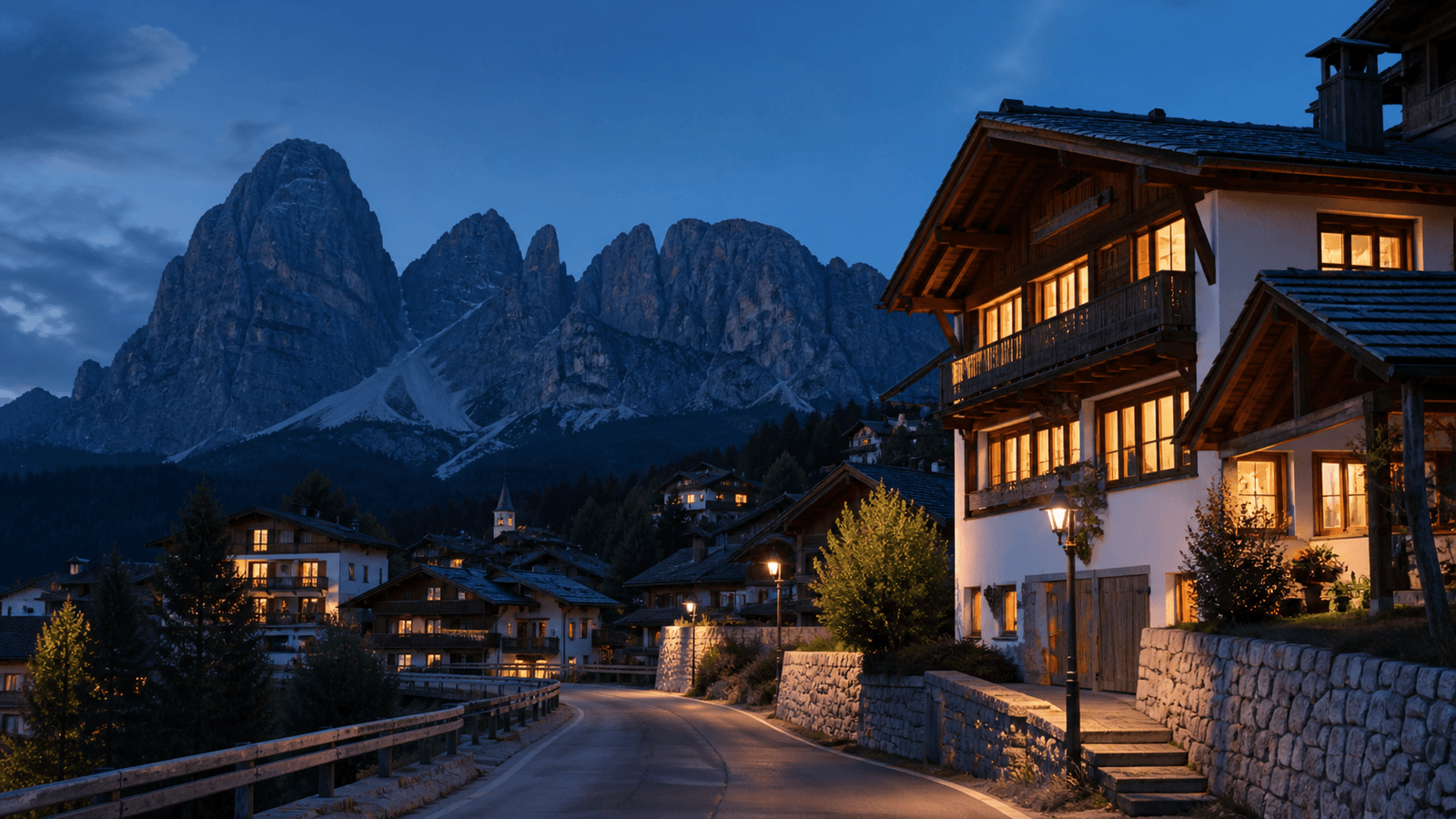
Winter works for skiing, Christmas markets, and city breaks, not for a classic lakes-and-Dolomites road trip.
Itinerary
Suggested itinerary
Late spring route
The easiest all-round timing for a first Northern Italy trip.
- 1Start with Milan, Verona, or Venice before the strongest summer heat.
- 2Add Lake Garda or Lake Como while towns are active but not fully crowded.
- 3Include lower Dolomites viewpoints or South Tyrol, but check lift openings before planning high hikes.
Summer mountain route
Best when the Dolomites are the anchor rather than a side stop.
- 1Keep city time short and avoid midday sightseeing in Milan, Verona, Bologna, or Venice.
- 2Spend more nights in Val Gardena, Alta Badia, Cortina, or South Tyrol.
- 3Book accommodation, parking-sensitive stops, and key mountain access early.
Autumn food-and-lakes route
A calm option for travelers who care about wine, food, and softer road-trip rhythm.
- 1Use September for a lakes-and-Dolomites combination with better atmosphere than peak summer.
- 2Shift October toward Piedmont, Emilia-Romagna, Verona, Bologna, and city stays.
- 3Treat high mountain plans as weather-dependent rather than guaranteed.
Interactive packing list
Packing list for Italy
Powered by Plantrip
Check off the essentials as you prepare. This interactive list is provided by PlanTrip.
Bases
Best base areas
Best for
Lakes and cities
May, June, September
Pros
- Comfortable sightseeing weather
- Better balance between atmosphere and crowds
- Easier for families than peak summer
Watch-outs
- Lake towns can still be busy on weekends
- Spring storms and autumn rain remain possible
Best for
Dolomites and South Tyrol
July, August, September
Pros
- Best chance of open lifts, huts, and high routes
- Long daylight for viewpoints and hikes
- Cooler than the cities
Watch-outs
- Peak summer prices and demand
- Afternoon storms can disrupt mountain days
Best for
Piedmont and Emilia-Romagna
September, October
Pros
- Strong food and wine timing
- Good city and countryside rhythm
- Less dependent on mountain access
Watch-outs
- Not the strongest choice for lake swimming
- Harvest and event periods can affect availability
Planning notes
Avoid These Common Mistakes
Treating all of Northern Italy as one climate
Lake weather, city heat, alpine access, and food-region timing do not line up perfectly. Pick dates around your main purpose.
Planning a Dolomites hiking trip too early
Some lifts, huts, and high trails may still be limited in May and early June. Lower valleys can work, but major hiking plans need checks.
Underestimating July and August pressure
Summer gives long days and mountain access, but it also brings hotter cities, busy lakes, expensive rooms, and more traffic.
Assuming October is still a full mountain month
October can be beautiful, but lift schedules, hut closures, shorter days, and unsettled weather make high-altitude plans less reliable.
Worth it / Skip if
Worth it
Timing changes the entire trip: lakes, cities, food regions, and Dolomites all peak at different moments.
Skip if
Skip only if your dates are completely fixed and you only need destination choices.
With kids
Late spring and early autumn are usually easier than peak summer because heat, crowds, and transfer friction are lower.
Budget range
Low
80-140 EUR/day
Mid
160-290 EUR/day
Comfort
350+ EUR/day
Guide details
Best time to visit Northern Italy in 2026: the short answer
For a mixed city-and-lake trip, June and September are my preferred planning windows. June gives you longer days and early-summer weather. September is usually calmer while still working for lakes, cities, food regions and many Dolomites plans without the full pressure of July and August.
May and early October are also strong, but they ask for clearer priorities. May is better for cities, gardens, lakes, and early-season atmosphere than for ambitious Dolomites hiking. Early October is excellent for food, wine, Verona, Bologna, Piedmont, and calmer lake towns, but high mountain plans become less dependable.
Late spring
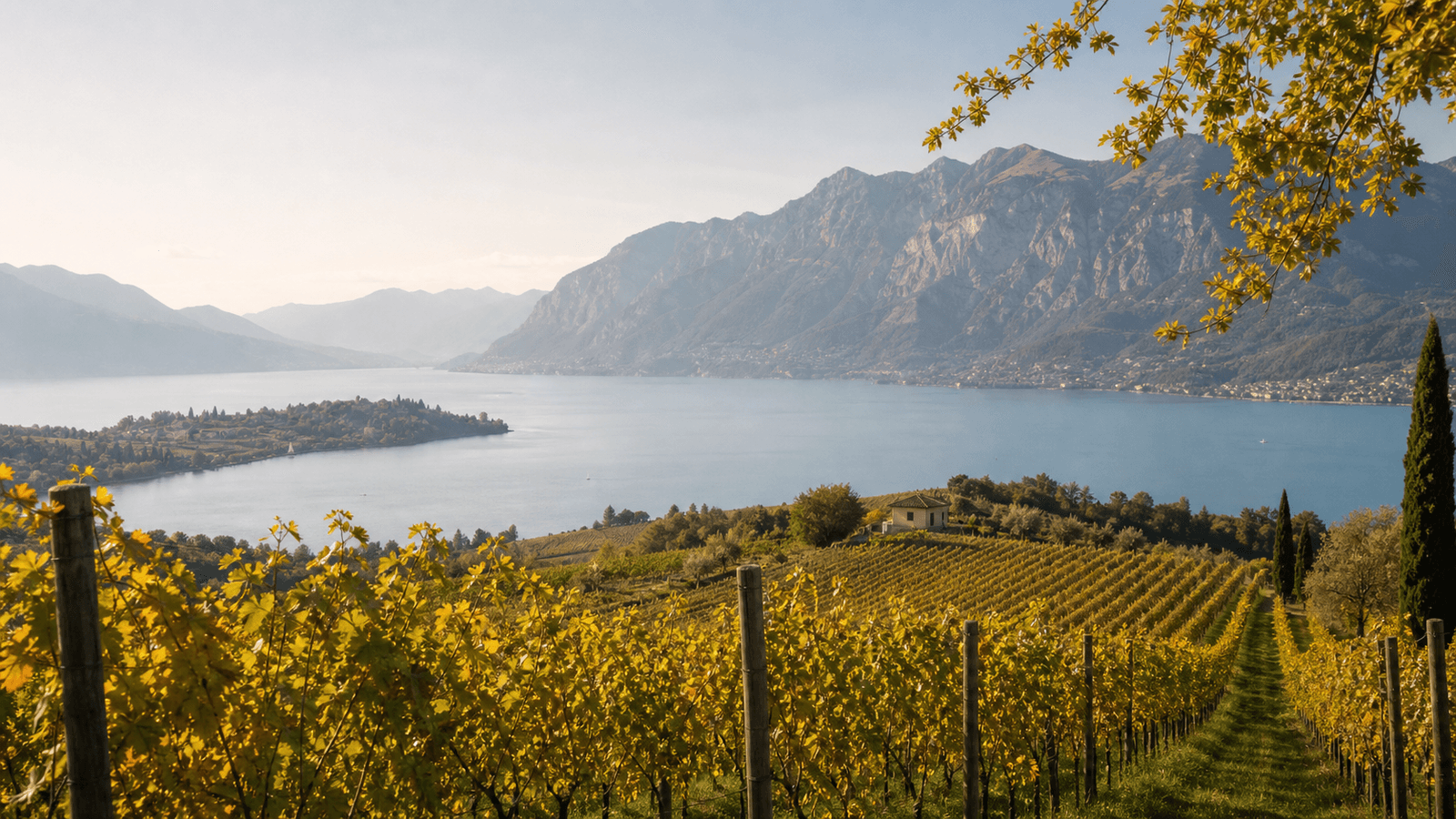
Late spring works best if your route is built around Milan, Verona, Venice, Lake Garda, Lake Como, gardens, and lower mountain scenery. The light is softer, lake towns feel open again, and city days are usually easier than in July or August.
The main trade-off is alpine access. Do not build a May trip around high Dolomites hikes unless you are comfortable changing plans. Some lifts and huts open later, and snow can linger on higher routes. A late-spring route should treat the Dolomites as a scenic add-on, not the whole reason for the trip.
from May 14 to November 8, but individual lifts have much shorter operating windows. The Sellaronda, for example, is scheduled from June 13 to September 27. Always check the specific lift rather than relying on the headline season dates.
High summer
July and August make the most sense when the Dolomites are the anchor. Long daylight, open lifts, hut access, and cooler mountain air are the real advantages. If you want Seceda, Alpe di Siusi, Tre Cime, Alta Badia, or Cortina to shape the trip, summer is practical.
The cost is pressure elsewhere. Lake Garda, Lake Como, Venice, Verona, and popular mountain bases all become busier. Cities can feel heavy in the heat, and road-trip spontaneity drops because accommodation and parking-sensitive stops need more planning. Keep the route simpler and give the mountain section more nights.
Autumn
September is one of the best Northern Italy months because it keeps many summer advantages while reducing the intensity. Lakes are still attractive, cities are easier, and the Dolomites can be excellent when the weather is stable.
October shifts the trip toward a different kind of Northern Italy. It is strong for Piedmont, Emilia-Romagna, Verona, Bologna, wine, food, and countryside routes. It is weaker for guaranteed lake swimming and high mountain access. If you want a calm food-and-culture trip, October can be better than summer.
Winter
Winter works when the trip has a winter purpose: skiing, Christmas markets, museums, food weekends, or a quieter city break. Bolzano, South Tyrol, Verona, Milan, Bologna, and Venice can all make sense in a focused winter plan.
It is not the best season for a classic lakes-and-Dolomites road trip. Lake towns are quieter, some routes feel less alive, daylight is shorter, and non-ski mountain access is more limited. Choose winter deliberately rather than trying to force a summer-style itinerary into it.
Planning rule
Match the season to the purpose. Choose late spring for lakes and cities, high summer for the Dolomites, September for the best all-round balance, and October for food, wine, cities, and calmer routes.
Match the season to your route and budget
Use the Northern Italy Road Trip Itinerary to turn the season into a realistic route, then check the Northern Italy Budget Guide before booking accommodation or a rental car. If the mountains are your priority, compare the Dolomites Highlights before fixing hiking days. For the complete planning hub, return to Northern Italy Highlights.
Daily allowances are per adult for two sharing a room and vehicle costs, including accommodation, food, local transport and selected admissions, excluding arrival travel. They are editorial planning estimates, not current quotes.
Sources & Last updated
Last updated: 2026-09-07
Sources
- Italia.it: Official season overview for travel in Italy and the northern Italian lakes(checked: 2026-08-14)
- Dolomiti Superski: Official 2026 Dolomiti Supersummer season and lift information(checked: 2026-08-14)
- TravelHighlights editorial: Editorial assessment of travel rhythm, crowd pressure and practical route fit(checked: 2026-08-14)
For your trip planning
Travel Services
Useful services for your trip. Choose what fits your plans.
Affiliate offers: We may earn a commission if you book. External search forms load only when opened, sharing data with Travelpayouts and the provider.
Nearby / next stop
BUDGET
Last updated 2026-09-07
Northern Italy Budget Guide
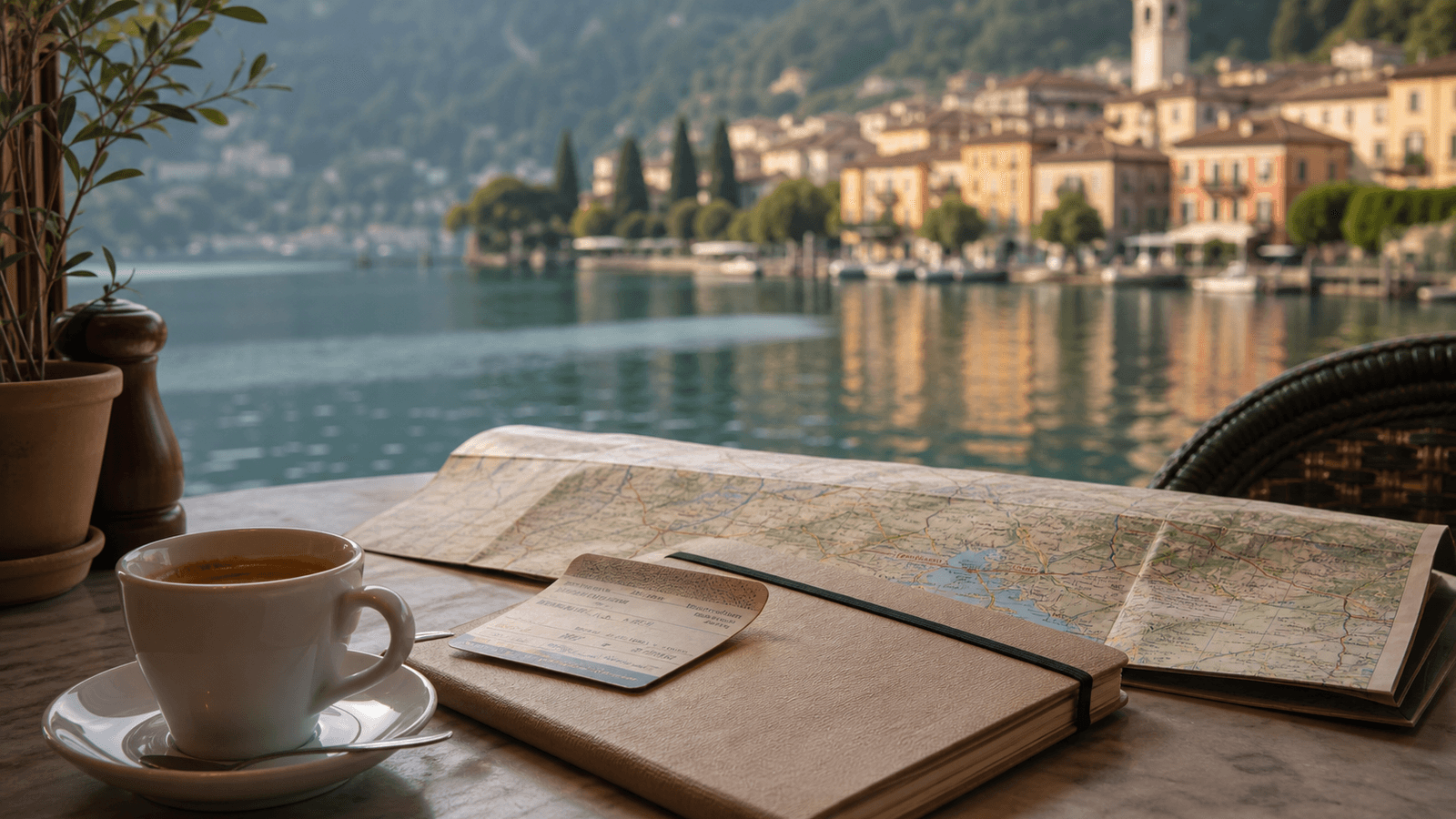
Realistic budget context for Northern Italy, from trains and lake towns to Dolomites lodging and food-focused travel.
Read guide →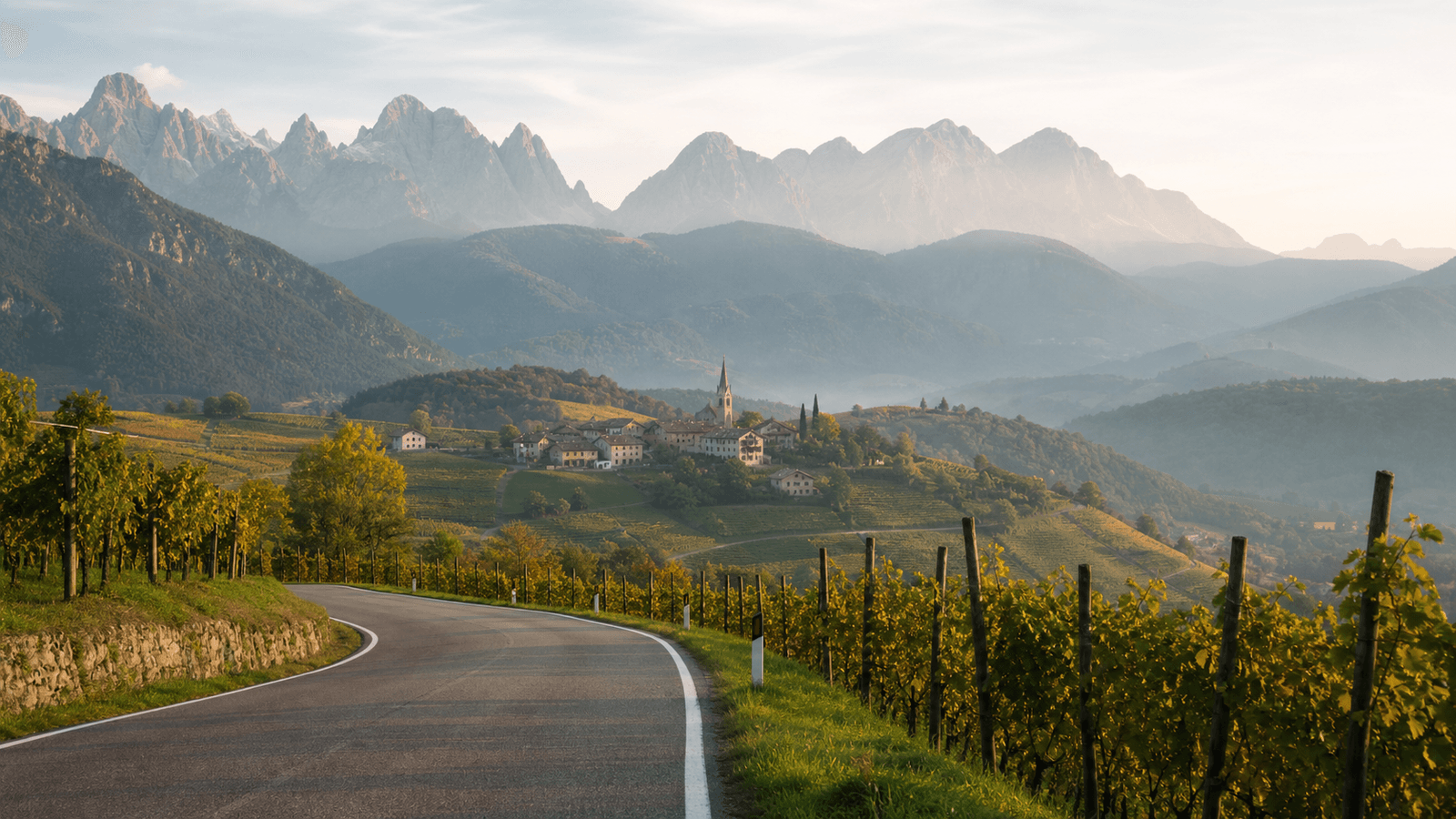
ROUTE
Last updated 2026-09-07
Northern Italy Roadtrip Itinerary
A practical 7-14 day route for linking Verona, Lake Garda, South Tyrol and the Dolomites without turning Northern Italy into a rushed checklist.
Read guide →